
Startup funding is an basic part of developing a commerce. Each startup starts with an thought, but ideas need cash to turn into items, contract groups, and grow. Understanding funding rounds helps entrepreneurs, investors, and industry fans make smarter choices.
In this web journal, we will clarify startup financing rounds in basic terms. We will cover advanced rounds too, like Series F financing companies, and explain why they are important.
What Are Startup Funding Rounds?
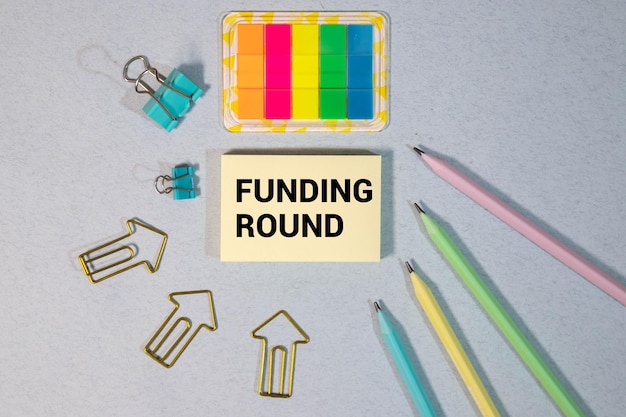
Startup funding rounds are stages of speculation that startups go through to raise cash. Each circular aims for specific goals, such as product development, market growth, or reducing capacity.
Read Also: Latest Startup Funding News Making Headlines
Investors give capital in exchange for equity, which implies a share of the company. Funding rounds are usually labeled as:
- Seed Round
- Series A
- Series B
- Series C, D, E, and indeed F
Each circular has a diverse reason, hazard level, and financing size.
Seed Funding: The Starting Point
Seed funding is the official cash that a startup raises to begin with. It is usually a small sum. The goal is to approve the idea and construct a model or starting product. Investors in this circular are often:
- Friends and family
- Angel investors
- Early-stage wander capital firms
Seed subsidizing is unsafe. The item may not exist yet, and the showcase is untested. But need to to begin the business journey.
Series A Funding: Expanding the Vision
Once a startup has a working item and a few footings, it may enter Series A. This circular centers on growth and scaling. Companies use the cash to:
- Improve the product
- Hire key group members
- Expand promoting efforts
Investors expect proof of concept and a few income in Series A. The chance is lower than seed financing, but victory is still not guaranteed.
Series B and C Funding: Scaling Further
Series B and C rounds center on scaling the commerce. By this organization, the startup has:
- Established customers
- Revenue streams
- A clear showcase position
- The reserves are utilized to:
- Enter unused markets
- Expand teams
- Invest in innovation or infrastructure
These rounds include larger investments. Wander capital firms and now and then private value firms take part.
Later Rounds: Series D, E, and F
Some startups reach Series D, E, or even F. These rounds occur when a company grows quickly or prepares for an IPO (Initial Public Offering).
Series F Financing companies are regularly mature startups. They may already have millions of clients, solid income, and a solid market presence. Funding in Series F is frequently utilized to:
- Enter universal markets
- Acquire other companies
- Invest in large-scale innovation improvements.
By this organization, speculators are as a rule less concerned about chance. They expect steady returns and showcase dominance.
Why Startups Go Through Many Funding Rounds?

Startups seldom get all the subsidizing they need in one circular. The commerce grows in stages, and so does the subsidizing need. Each circular helps the company reach the another milestone. For example:
- Seed financing makes a difference construct a prototype.
- Series A makes a difference refine and dispatch the product.
- Series B and C help grow and scale.
- Series F permits develop new businesses to overwhelm their market.
This step-by-step approach diminishes hazard for both the startup and the investors.
Key Financial specialists in Distinctive Rounds
Investors alter depending on the subsidizing stage:
Seed Round: Angel investors, friends, family, crowdfunding
Series A: Wander capital firms centering on early-stage companies
Series B & C: Bigger venture capital firms, private equity, sometimes vital investors
Series F Financing companies: Institutional investors, huge private value firms, support funds
Each investor sort brings not as it were capital but moreover mastery, counsel, and networks.
How Valuation Changes Over Rounds?
Valuation is the assessed worth of a startup. It increases with each cycle as the company grows.
You Must Also Like: How Angel Investors Fund Early-Stage Startups?
- Seed funding valuation is as a rule little since the company is new.
- Series A valuation is higher since there is proof of concept.
- Series F valuations are regularly in billions of dollars for fruitful startups.
Investors look at the valuation to determine the value they will receive for their investment.
Benefits of Series F Funding Companies
Series F Subsidizing companies have a few advantages:
Access to Huge Capital: They can raise tens or hundreds of millions of dollars.
Market Extension: They can enter new countries or dispatch new item lines.
Acquisitions: Reserves may be used to buy littler companies or competitors.
Technology Upgrades: Critical ventures in technology make strides efficiency and client experience.
This financing arrangement is usually less risky for investors, but it needs careful management by the startup.
Common Misinterpretations Almost Subsidizing Rounds
Not All Startups Need Series F: Many new businesses succeed with Series B or C. Series F is as it were for huge, fast-growing companies.
Funding Doesn’t Ensure Victory: Indeed after many rounds, new companies can come up short if they don’t oversee development well.
Investors Always Want Control: Some focus on long-term growth instead of daily operations.
Understanding these focuses makes a difference originators plan funding techniques wisely.
How Startups Prepare for Funding Rounds?
Preparation is key. New companies that point for many rounds do the following:
Build a Solid Group: Speculators need able authors and group members.
Show Footing: Income, client development, or item appropriation demonstrates potential.
Have Clear Financials: Investors need transparency almost investing and growth.
Plan for the Future: Companies ought to have a guide for the following circular and beyond.
Startups can attract investors in late-stage rounds, like Series F, by following these steps.
Why Understanding Financing Rounds Matters?
For originators, understanding subsidizing rounds makes a difference in:
- Planning development stages
- Choosing the right investors
- Avoiding over-dilution of ownership
- Setting reasonable trade goals
- For financial specialists, knowing the rounds makes a difference in:
- Evaluating hazard and reward
- Deciding how much to invest
Understanding when to exit or remain invested
Even workers and clients benefit. Funding affects company solidness, item advancement, and future growth.
Conclusion
Startup funding rounds are a organized way to develop a commerce. From seed subsidizing to Series F, each circular has a reason. Early rounds build an item. Mid rounds scale it. Late rounds, like Series F funding, help mature startups dominate the market.
Investors pick up value and future returns. Startups gain capital, ability, and systems. The step-by-step funding process decreases chance and guarantees unfaltering growth.
Knowing about startup financing rounds helps founders and investors make better choices. Grasping why companies set aside reserves at different stages is key for effective planning and long-term success.
Series F funding marks a peak in startup growth. These companies often change industries and expand globally. New companies can achieve their vision and make a lasting impact by exploring funding rounds carefully.