We’ve all been there. You purchase the savvy pot. Then the savvy plug. At that point the Wi-Fi toaster. All of a sudden, your kitchen counter looks like the bridge of the Starship Undertaking, and you have seventeen diverse apps on your phone fair to make breakfast.
For a long time, the customer tech industry has sold us on person contraptions. "Purchase this savvy bulb!" "Purchase this keen bolt!" But as of late, I hit a divider. I realized I wasn't living in a savvy domestic; I was living in a house full of keen things that didn't conversation to each other.
The genuine move isn't around including more squinting boxes to your life. It’s about moving beyond individual gadgets to integrated systems that really work together to spare you time, vitality, and frustration.
As somebody who has tried, broken, and returned more keen domestic gadgets than I care to concede, I’ve learned that genuine esteem isn't in the contraption itself—it’s in the organize. Here is my viable, experience-based direct to making the jump from collection to connection.
The Issue with the "Contraption Graveyard"
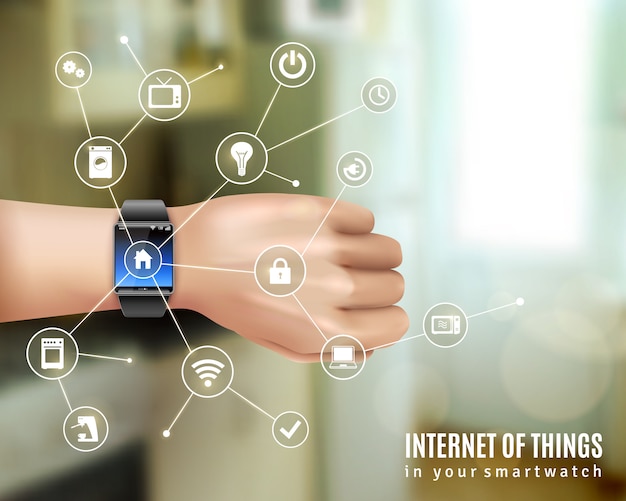
I keep a box in my carport. I call it the "Contraption Burial ground." Interior are savvy plugs that won't interface to my unused switch, a Bluetooth speaker that drops flag if I walk into the another room, and a "keen" coffee producer that requires a PhD in arrange building to reset.
Read Also: Wireless Gadgets That Eliminate Cable Hassles
The issue was straightforward: I was buying for highlights, not for fit. If you are looking for key contemplations for joining remote innovation in shopper contraptions, the to begin with run the show is compatibility. Does this gadget play pleasant with others, or is it a advanced island?
The disappointment of a gadget that requires its claim exclusive app, its claim account, and its claim particular 2.4GHz arrange band is genuine. Moving past person contraptions implies requesting that your gadgets talk the same language.
Why Integration Beats Isolation?
When your gadgets are coordinates, the encounter gets to be enchanted in a boring way. And boring is great. The innovation blurs into the background. For case, I utilized to have a "motion picture night" schedule.
It included strolling around the house darkening lights, closing the blinds physically, and turning on the TV. Presently, with an coordinates framework, I have a physical "Scene Controller" button by the lounge chair.
One press triggers a arrangement: the blinds near, the lights dim to 10%, the TV turns on, and the soundbar switches to HDMI ARC. That is the center advantage of moving past person contraptions to coordinates frameworks. You halt overseeing errands and begin overseeing situations.
Complete Gadget Integration: The Foundation
To achieve this seamless experience, you need a plan. You can’t just throw money at the problem. Here is my guide to smart kitchen gadgets integration and general home setup based on what actually worked for me after years of trial and error.
1. The Brain: Choose Your Ecosystem Wisely
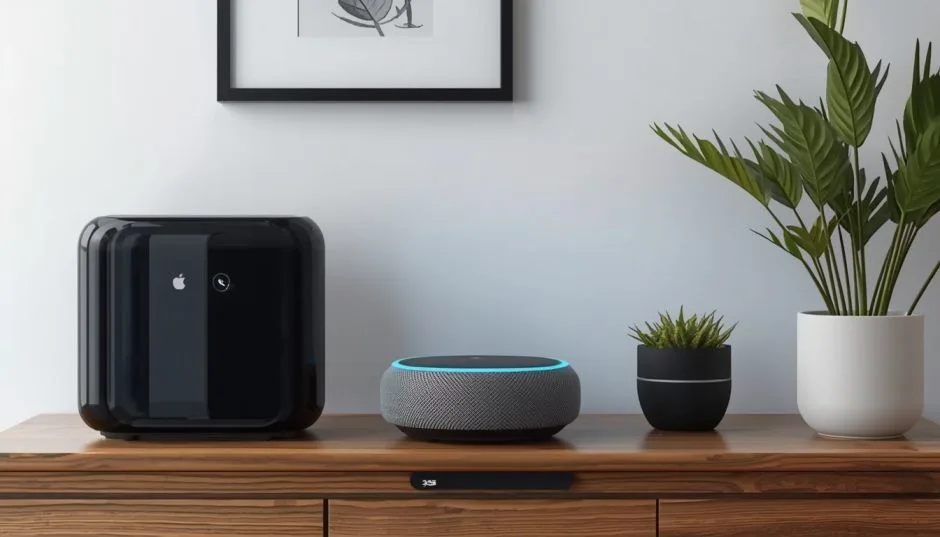
Before you buy another gadget, pick a "brain." Currently, the market is split between a few major players. Your choice dictates everything else.
-
Alexa (Amazon): Wide compatibility, great for shopping lists and quick timers. Best for families already deep in Prime.
-
Google Home: Excellent for search and natural language processing. Great if you live in the Google ecosystem (Gmail, Calendar).
-
Apple HomeKit: The gold standard for privacy and security. Response times are snappy, but the compatible device catalog is smaller and often pricier.
-
Hubitat / Home Assistant: This is the "pro-sumer" route. It allows for local processing (meaning it works even if the internet is down) and hyper-customization. This is where you find the formula for integrate gadget that were never designed to work together.
2. The Formula: Hub + Profile + Standard
So, what is the formula for integrate gadget in Orgin? (Expecting "Orgin" alludes to the beginning or establishment of your setup). The equation is really very simple:
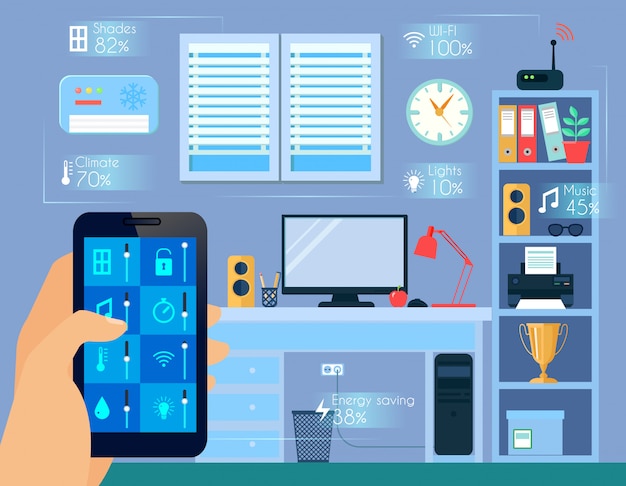
Central Center (Physical or Cloud) + Bound together Client Profile (One App) + Communication Standard (Matter/Thread) = Sanity.
You Must Also Like: Best Smart Home Devices That Boost Energy Efficiency
For a long time, the lost interface was the "Standard." Zigbee and Z-Wave were prevalent, but they required particular centers. Enter Matter. Matter is a modern, universal network standard.
If you purchase a contraption with the Matter symbol, it is planned to work with any major environment (Alexa, Google, Apple) out of the box. When building an coordinates framework nowadays, prioritizing Matter gadgets is the most astute venture you can make for future-proofing.
Practical Advice: Avoiding the "Poor Purchase" Pitfall
The internet is full of 5-star reviews written on day one. But a smart lock doesn't break on day one. The battery dies six months later. Here is the buying guidance you actually need.
Connectivity: Wi-Fi vs. Thread vs. Bluetooth
This is a huge key consideration for integrating wireless technology in consumer gadgets.
-
Wi-Fi Devices: They connect directly to your router. They are easy to set up but can clog your network if you have too many (looking at you, smart plugs).
-
Bluetooth: Range is limited. If you leave the room, your music cuts out. Avoid Bluetooth for anything that needs to work when you aren't standing next to it.
-
Thread/Mesh: Devices create a mesh network. They talk to each other and pass the signal along. This is the superior tech for reliability.
The Power Question: Wired vs. Battery
Battery life is rarely discussed honestly in marketing materials.
-
Battery-powered sensors (door/window): Great. They sip power and last years.
-
Battery-powered cameras: A nightmare. You will be climbing a ladder to change batteries every few weeks. Opt for wired power for cameras.
-
Battery-powered locks: Convenient, but set a calendar reminder to change batteries yearly. Nothing is worse than being locked out because your "smart" lock died.
Security and Trust
I do not put internet-connected cameras inside my house. I keep them outside only. Why? Because no system is unhackable. Trustworthiness means knowing the limitations. When reviewing a product, I always check:
-
Does it require cloud access? If the company goes bankrupt, does my device become a brick?
-
Is there two-factor authentication? If not, don't buy it.
-
Can it operate locally? (i.e., without the internet). For lights and locks, this is a must-have.
Real-World Observations: The Kitchen Test
Let’s get particular. The kitchen is the heart of the domestic, and the hardest room to coordinated. Here is my direct to savvy kitchen contraptions integration based on really attempting to cook with this stuff.
The Keen Ice chest Paradox
I tried a $4,000 smart fridge with a mammoth screen on the entryway. In hypothesis, it’s awesome. In hone, my hands were secured in crude chicken juice, and I didn't need to touch the screen.
The "keen" portion I really utilized? An inner camera that let me check if I required drain whereas I was at the store. The screen? I debilitated it. It was fair a distraction.
The Shrewd Stove Win
Conversely, a savvy broiler with a temperature test has changed my cooking. Instep of speculating when a steak is done, I set the target temp in an app.
The stove sends a notice to my phone when it's prepared. This is a idealize illustration of a contraption including esteem since it coordinating with my notice system.
The Coffee Producer Reality
I had a keen coffee creator that I may plan from bed. It was brilliant for precisely two weeks. At that point the plan changed, and resetting it by means of the app was so dull I went back to a basic French press. The takeaway? If the setup takes longer than the time it spares, it’s a terrible item.
Authoritativeness: Who is this for?
Not every system is for every person. Let’s break it down logically.
-
The Minimalist: You want lights that turn off automatically when you leave. You want a thermostat that learns your schedule. Best for: A simple SmartThings hub with a few motion sensors and an Ecobee thermostat.
-
The Tech Enthusiast: You want RGB lights synced to your music and voice control for everything. Best for: The Alexa ecosystem combined with Philips Hue lighting. The color accuracy and reliability of Hue are unmatched.
-
The Privacy-Conscious User: You want automation but don't trust big tech. Best for: Apple HomeKit with Eve devices (which use Thread and are privacy-focused). You'll pay a premium, but your data stays local.
-
The Apartment Dweller: You can't hardwire anything. Best for: Battery-powered sensors and smart plugs. Focus on portable, renter-friendly tech like the Aqara sensors.
The Future is Invisible
If I have learned one thing from a decade of testing this stuff, it’s that the best keen gadget is the one you disregard is there. We are at last at a point where moving beyond individual gadgets to integrated systems is open to everybody, not fair software engineers.
The innovation has developed. The benchmarks are converging. My last piece of key considerations for integrating wireless technology in consumer gadgets is this: Begin little. Unravel one issue.
If you despise getting out of bed to turn off the light, purchase one keen bulb and a switch. Live with it for a week. At that point expand.
Don't purchase the dream the marketers are offering. Construct the reality that fits your life. When done right, your domestic shouldn't feel like a tech demo. It ought to fair feel like... home. As it were calmer, more comfortable, and marginally more mysterious.