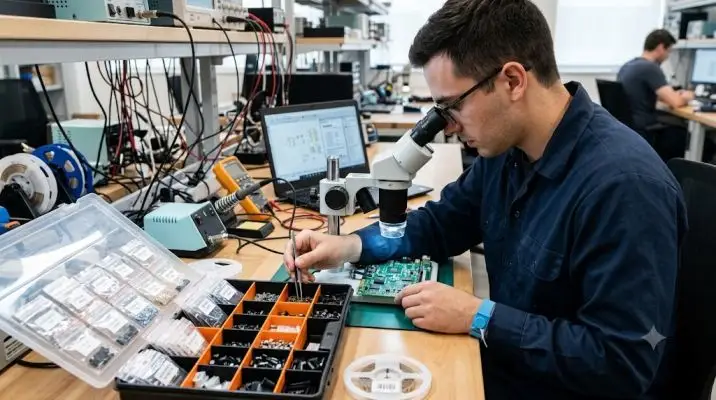
Electronic Component Sourcing for Startups in 2026 is a different beast than it was five years ago. The memory chip crunch has sent DRAM prices surging to more than 10 times their January 2025 levels.
New US tariffs on advanced semiconductors add 25% to certain imports. Counterfeit parts flood the gray market. I’ve watched founders burn months of runway chasing cheap components that never worked.
Here’s what actually matters when you’re sourcing parts with limited budget and zero margin for error.
How Startups Can Source Electronic Components?
The 2026 Supply Chain Reality
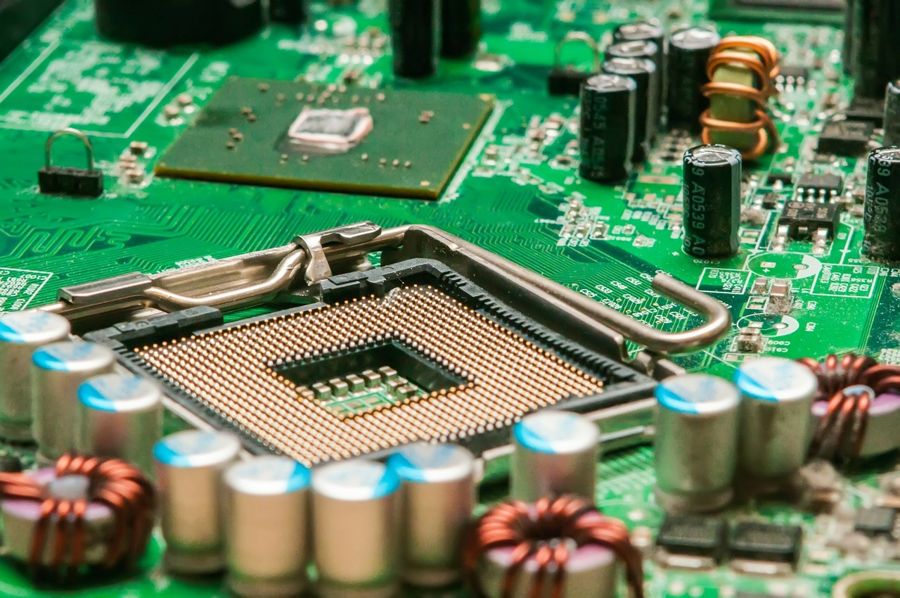
The AI boom broke the component market. Tech giants are buying memory chips “like never before,” paying premiums for multiyear contracts. That squeezes supply for everyone else. IDC called the memory crunch “a crisis like no other”.
Read Also: How to Validate a Micro SaaS Idea Without Coding 2026?
For startups, this means lead times stretch. Prices spike unpredictably. Allocation gets tight for popular parts. Tariffs add another layer. The US imposed a 25% tariff on certain advanced computing chips in January 2026.
End-use exceptions exist for data centers, R&D, and some consumer applications . But documentation requirements are strict. Misclassification costs money.
The Hidden Costs of Cheap Components
Every startup considers the gray market. Skip the authorized distributor. Save 30% on that MCU. It looks tempting. Here’s what actually happens:
Counterfeits. Recycled parts. Relabeled chips. Refurbished components sold as new. They pass visual inspection. They fail on the board.
Unpredictable shipping. Overseas brokers quote attractive prices. Then customs holds the package. Or the shipment arrives late. Or the parts don’t match the specs.
No recourse. Authorized distributors support their products. Gray market sellers disappear when problems arise.
The math rarely works. A component that costs $2 less but fails in 5% of units destroys your margin. Rework costs, customer returns, and reputation damage dwarf the savings.
The Authorized Distributor Advantage
Authorized distributors cost more. They also deliver guarantees that matter.
You Must Also Like: AI Agent Fleet Management for Small Business: The 2026 Guide to Autonomous Operations
Traceability. Parts come from the manufacturer. Batch numbers, date codes, and certificates of conformance are standard.
Technical support. Distributors employ field application engineers. They help with part selection, substitution, and design questions.
Value-added services. Kitting, tape and reeling, IC programming, bonded inventory. These services save engineering time. That time has real dollar value.
Supply chain intelligence. Distributors share market trends, lead times, and price forecasts. They warn about end-of-life notices before parts become obsolete.
For startups, this intelligence is invaluable. You don’t have a procurement team watching the market. Your distributor does.
Euro Circuits Customer Supplied Parts: A Different Model
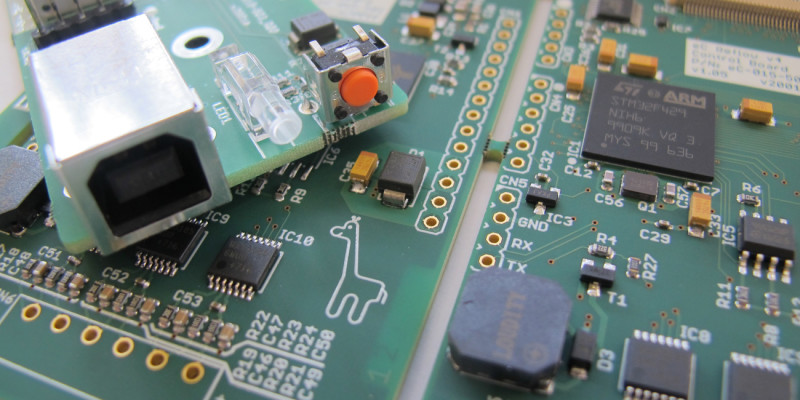
Some startups explore customer-supplied parts arrangements with manufacturers like Euro Circuits. The idea: you source components yourself, ship them to the manufacturer, and they assemble.
This model works for established companies with procurement expertise. For startups, it’s risky.
You own the sourcing risk. If parts fail, the manufacturer isn’t responsible. If parts arrive late, production delays are your problem. If counterfeit components slip through, you bear the cost.
Manufacturers prefer this arrangement. It shifts liability. They assemble what you provide. They don’t guarantee component quality.
Startups without experienced supply chain staff should avoid customer-supplied parts models. The complexity outweighs the cost savings.
What Smart Startups Do Instead?
Start with authorized distributors. Digi-Key, Mouser, and similar distributors serve small orders. You pay more per part. You get traceable, guaranteed components.
Use purchasing-as-a-service (PaaS) platforms. Services like Cofactr handle BOM management, sourcing, kitting, and storage. You upload your BOM. They handle the rest. Usage-based pricing means you don’t pay for a full-time buyer.
Design for availability. Choose components with multiple sources. Avoid single-source parts. Standard packages and common values reduce risk.
Build relationships with distributors early. Startups that communicate openly about their needs get better support. Distributors allocate scarce parts to customers they know and trust.
Plan for 16-52 week lead times. For critical chips, order early. Build buffer into your production schedule. Don’t assume parts will be available when you need them.
The India Factor
For startups manufacturing in India, the budget extended concessional customs duties on key electronic components through 2026. This reduces input costs for TVs, LED lights, and other products.
But procedural compliance tightened. End-use exemptions face increased scrutiny. Misdeclaration risks penalties. The takeaway: work with distributors or customs brokers who understand the documentation requirements. Don’t guess.
A Simple Framework for Component Risk
Classify every component in your BOM:
Critical (High Risk): MCUs, power management ICs, sensors, BGA/QFN packages, anything automotive or medical grade. Source from authorized distributors only. Verify traceability. Test incoming batches.
General (Medium Risk): Passives, connectors, LEDs. Compare authorized distributor pricing. Evaluate domestic alternatives. Consolidate orders for volume discounts.
Commodity (Low Risk): Screws, standoffs, mechanical parts. Price shop aggressively. Buy from multiple sources.
Spend your sourcing energy on the first category. That’s where mistakes hurt most.
The Final Thoughts
Electronic component sourcing for startups requires discipline. The gray market promises savings. It delivers problems. Authorized distributors cost more. They protect your production schedule and your reputation.
The 2026 market punishes unprepared teams. Memory prices are volatile. Tariffs shift. Lead times stretch. Startups that build reliable supply chains from day one survive. Those that chase cheap parts gamble with their future.
Source smart. Pay for traceability. Build relationships early. Your product depends on it.