

I have watched CSR evolve from a buzzword into a real business function. Ten years ago, most companies treated it as a charity line item. Today, investors ask about it in earnings calls.
Employees check it before accepting job offers. The corporate social responsibility conversation has shifted from "should we do this?" to "how do we do it right?"
But here is what I see in practice. Most CSR explanations fall into two camps. Either they are too academic to use, or they are too fluffy to trust. This guide sits in the middle. I will explain the types, the benefits, and the traps that make CSR feel hollow.
What Corporate and Social Responsibility Definition Actually Means?
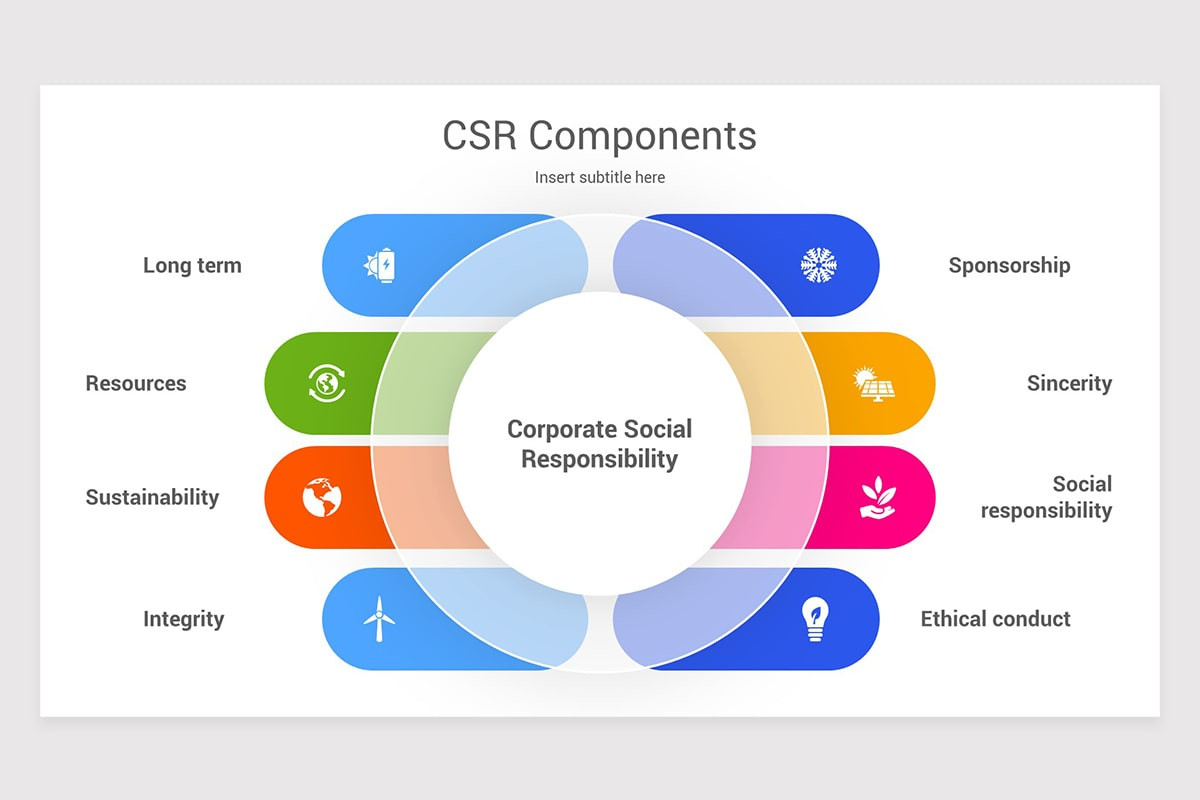
The corporate and social responsibility definition is simpler than most textbooks make it. CSR means a company acts in ways that serve both its own interests and the interests of its stakeholders.
Read Also: Social Commerce Tech Companies Leading Online Shopping Growth
Those stakeholders include employees, customers, communities, suppliers, and the environment. It is not charity. Charity is giving money away. CSR is how a business operates every day. It asks a company to consider the social and environmental impact of its decisions.
The old model said shareholders come first. Profit is the only goal. Anything else is a distraction. That model is fading. Customers, workers, and regulators now expect more.
The Four Types of CSR You Should Know
Archie Carroll's pyramid is the framework most researchers use. It breaks CSR into four layers.
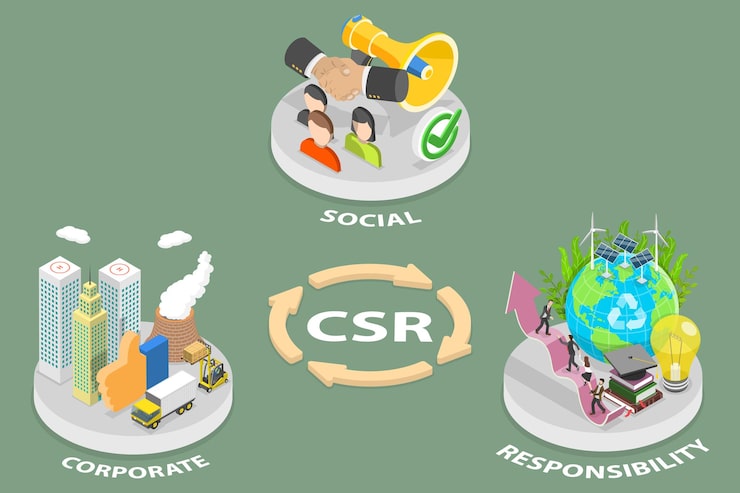
Economic Responsibility: The Foundation
Every company must make money. Without profit, no other responsibility matters. Economic responsibility means creating products people need. It means managing costs. It means delivering value to shareholders .
This sounds obvious. But it matters for CSR. A company that cannot pay its bills cannot fund environmental programs or community projects. Profit is not the enemy of CSR. It is the fuel.
Legal Responsibility: Following the Rules
Companies must obey the law. That includes labor laws, environmental rules, tax codes, and anti-corruption statutes . Legal compliance is not optional. It is the minimum standard.
But here is the trap. Legal does not always mean ethical. A company can follow every regulation and still treat people poorly. That is why the next layer exists.
Ethical Responsibility: Doing Right When No One Forces You
Ethical responsibility goes beyond the law. It means treating employees fairly. It means sourcing materials responsibly. It means being transparent about mistakes.
You Must Also Like: Snapdragon AI Laptop Social Performance Trends 2026
Ethical companies pay fair wages even when minimum wage is lower. They choose suppliers who treat workers well. They tell customers the truth about product limitations.
This layer is where most CSR failures happen. Companies claim ethics but cut corners behind closed doors.
Philanthropic Responsibility: Giving Back
Philanthropy sits at the top of the pyramid. It includes donations, volunteer programs, and community partnerships . This is the most visible part of CSR. It is also the least essential.
Philanthropy without the other three layers is just PR. A company that pollutes a river and then writes a check to a charity has not done CSR. It has done damage control.
Why CSR Matters More Than Ever?
Herman Aguinis, a scholar at George Washington University, explained the shift. The internet changed everything. Corporate wrongdoing gets publicized worldwide in minutes. Sweatshops, pollution, and worker abuse become global news.
Consumers now check a company's record before buying. Investors screen for environmental and social risks. Employees choose employers based on values, not just salary.
A recent survey found that 95 percent of business leaders will invest more in ESG as a competitive advantage. That is up from 60 percent a year earlier.
The Benefits Companies Actually See
Reputation and Customer Loyalty
The Reputation Institute found that 42 percent of how people feel about a company comes from its CSR track record. Strong CSR can account for 30 percent of brand value.
This is not abstract. Customers who see a company as responsible buy more. They tell friends. They defend the brand during controversies.
Employee Attraction and Retention
Deloitte surveyed millennials. Sixty-three percent said "improving society" matters more than "generating profit" as a business purpose.
Companies with strong CSR attract better talent. They keep employees longer. One study found that CSR investments in employee well-being and community initiatives improve stock market valuation .
Risk Reduction and Innovation
CSR is a risk management tool. TotalEnergies redesigned its procurement process to address human rights risks. The company reduced legal exposure and reputational threats.
CSR also drives innovation. DuPont combined its Chief Innovation Officer and Chief Sustainability Officer roles. The result was new products that reduced environmental impact while driving profit.
The Traps That Make CSR Fail
Greenwashing and Performative Acts
The biggest problem is pretending. Companies slap a rainbow logo on their website during Pride Month. They post about tree planting while sourcing from polluting factories.
One expert warned that making a big splash with a donation check can look "self-serving or misguided". Real CSR is ongoing. It is embedded in operations. It is not a one-time event.
Treating CSR as a Charity Project
CSR is not a department. It is not a budget line. When companies isolate CSR from core business decisions, it fails.
Dr. Mubarak Albogami, who led CSR at Saudi Central Bank, put it well. CSR "is not meant to sit on the sidelines. When done right, it becomes a strategic lever that ties directly to an organization's mission and vision".
Ignoring the Supply Chain
A company can be responsible at home and reckless abroad. Partners and suppliers matter. If your vendor uses child labor, your CSR claim is false.
The CSR approach that works is holistic. It covers every partner. It examines every link in the chain.
How Small Businesses Can Do CSR?
CSR is not just for corporations. Small businesses can start with simple steps.
Assess your current practices. Do you source locally? Do you pay fair wages? Do you reduce waste? You may already be doing CSR without calling it that.
Define clear goals. Write them down. Put them in your mission statement. Make them specific and measurable.
Pick a few priorities. Do not try to fix everything. Choose causes connected to your business. A winemaker might support clean water. A tech company might fund coding education.
Get input from employees and customers. Ask what matters to them. Their answers will guide your priorities. Their involvement will build support.
The Numbers That Prove CSR Works
Profit and purpose are not enemies. Research shows they reinforce each other.
A study in the Journal of Global Responsibility found that social investments create value. Firms with high dividend intensity invest in workforce welfare and human rights. The stock market rewards these investments .
CSR also saves money. Environmental initiatives reduce energy and material costs. Ethical sourcing prevents supply disruptions. Fair labor practices reduce turnover.
The old argument said companies should maximize shareholder value above all else. Aguinis calls that thinking outdated. It "will not help companies stand up to increasing social pressure and could hurt their reputation" .
The Final Thoughts
Corporate social responsibility is not a trend. It is a shift in how business works. The companies that succeed will be those that serve shareholders and stakeholders. Those that treat CSR as window dressing will get caught.
Start with the four types. Make sure your economic engine runs. Follow the law. Go beyond it ethically. Give back where it makes sense.
Then embed it. Do not delegate it to a committee. Make it part of every decision. That is when CSR stops being a cost and starts being a strategy.