I bought a pair of sneakers last week without ever visiting a brand website. Saw them on Instagram. Tapped the tag. Checked out with Apple Pay. Done.
That seamless experience is the promise of social commerce.
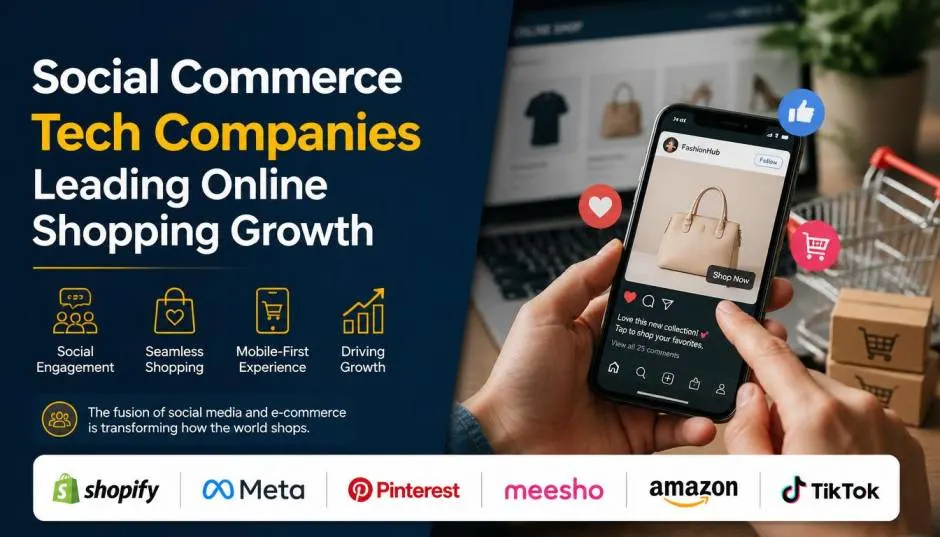
But behind that simple transaction lies something far more interesting. Artificial intelligence is quietly reshaping how we discover, evaluate, and buy products through social platforms. The social commerce tech companies driving this shift are changing online shopping fundamentally.
Here is what is actually happening.
The Numbers Behind the Shift
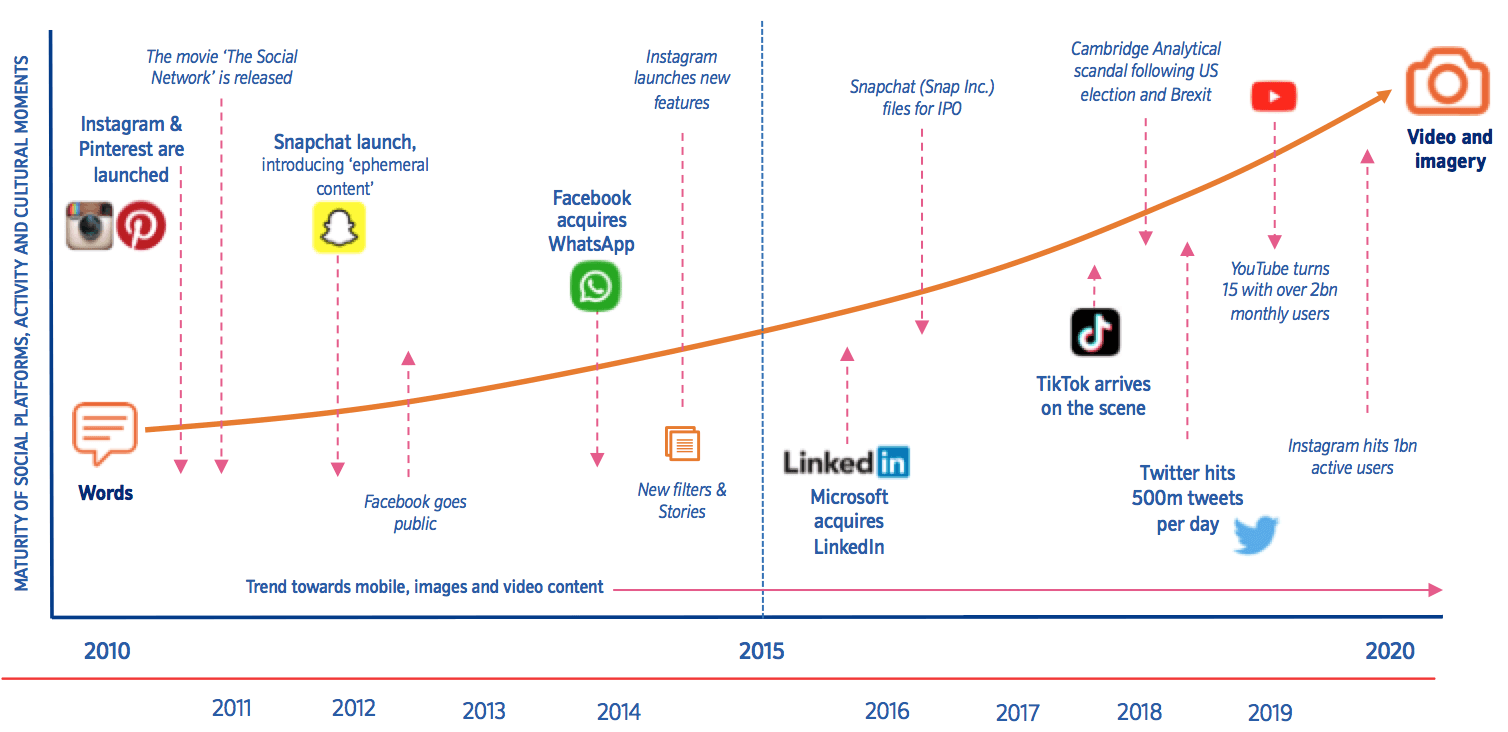
The numbers tell a clear story. The social commerce market reached $739 billion in 2025 and is projected to hit $3.01 trillion by 2034 . That is a 16.9% compound annual growth rate.
Read Also: Snapdragon AI Laptop Social Performance Trends 2026
China dominates this space. The country generated an estimated $366 billion in social commerce revenue in 2026 alone . Globally, social commerce now accounts for roughly 15 percent of total e-commerce worldwide .
Around 1.63 billion people globally use social commerce platforms . That is not a niche. That is mainstream.
The social commerce market size reflects this massive consumer shift. Asia-Pacific accounts for 74.8% of the global social commerce market . The apparel segment represents the largest product category at 38.2% of market value .
What Actually Is Social Commerce?
Social commerce means buying and selling goods directly within social media platforms . The entire shopping journey happens inside the app. Discovery, consideration, purchase, and even post-purchase sharing all occur without leaving the platform.
This is different from traditional e-commerce, where you browse social media, click a link, and get redirected to a separate website. Social commerce keeps you inside the ecosystem.
The features of social commerce include shoppable content, in-app storefronts, live shopping, and native checkout .
Facebook and TikTok Shop are currently the most popular platforms for social purchases worldwide . Instagram and TikTok are close behind at 17 percent each .
How AI Is Transforming Social Commerce?
Personalized Recommendations
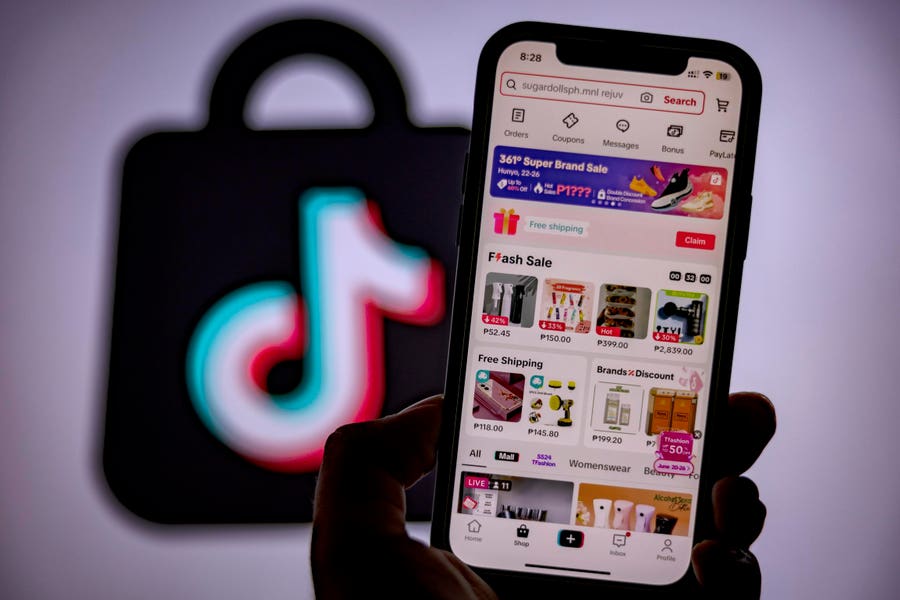
Algorithms analyzing user behavior now offer tailored product suggestions. This improves user satisfaction and increases sales .
The problem in commerce used to be supply. Now the problem is discovery. There is simply too much stuff available. Consumers need help figuring out what they actually want .
AI solves that problem. It filters through the noise. It surfaces relevant products based on browsing history, engagement patterns, and social connections.
Conversational AI and Chat Automation
Brands increasingly use chatbots and automated messaging to guide customers through purchase decisions . This turns social engagement into personalized shopping assistance.
Delhi-based Kosmc.ai built an AI-driven chat automation system that handles 1,000-2,000 daily inquiries for some clients . For small fashion brands in Tier II and III cities, this is a game-changer. A boutique in Sirsa uses the platform to manage nearly 1,000 comments on Instagram each day .
These tools act like full-time sales assistants. They respond instantly. They never sleep.
AI-Powered Content Creation
The same company is testing an AI-powered catalogue feature that lets brands create product photoshoots using digital models and outfits . This reduces production costs. It speeds up time-to-market.
AI is also helping creators build mini-websites without coding. Kosmc.ai offers a no-code builder for influencers and brands to set up storefronts and link content directly to e-commerce .
Smart Link Technology
This is subtle but powerful. Traditional ads on Instagram open in the app's internal browser. Users often drop off.
Kosmc.ai's tool identifies the user's device and opens product links directly in native apps like Amazon or in the default browser. This keeps the tab open for days.
Even if the user exits, they can return later and complete the purchase . Some brands have achieved click-through rates of 250%, compared to the 60% typically seen on tools like Linktree .
Who Is Leading the Pack?
The social commerce tech companies landscape includes some familiar names and some newer players.
Globally, Poshmark, Xiaohongshu (China's social shopping platform), and Meesho rank among the top companies . Over 1,200 companies operate in this sector globally, with 460 funded companies having raised $18 billion in venture capital .
India has 217 social commerce startups, second only to the United States .
Meesho is often cited as one of India's success stories. It has over 50 million monthly active users and drives a gross merchandise value of over $6 billion, with millions of resellers structuring social selling around personal networks .
Wishlink is another Indian player. Founded in 2022, the company raised about $10 million from investors including Elevation Capital . Unlike earlier social commerce startups that tried to handle logistics and fulfillment, Wishlink acts as a tech layer connecting creators to established marketplaces like Myntra and Amazon .
Kosmc.ai has over 18,000 registered users across 25 countries and has onboarded around 100 brands . It operates on a freemium SaaS model. Paid plans start at Rs 499 for individuals and go up to Rs 18,000 for brands .
Lyvstor brings live-stream shopping to the Indian market. The platform allows customers to see products live, unedited, and real, while interacting directly with verified sellers . It was recognized by Startup India and incubated at IIM Bangalore .
The Live Commerce Boom
Live streaming commerce is one of the fastest-growing segments. Viewers can watch hosts showcase products in real-time, ask questions, and purchase instantly.
Combined global live commerce revenue across segments like food, fashion, and electronics is forecast to surpass $200 billion in 2026.
TikTok Shop launched in Germany in April 2025, allowing creators to promote products directly in livestreams . Snapchat and Nike collaborated on limited edition sneakers that sold out in under 30 minutes through scannable links .
Why India Is Different?
Here is the complication.
Despite the global boom, social commerce in India accounts for only 1-2% of total e-commerce revenue . Compare that to 20-25% in Indonesia and 30-40% in China. The gap is massive.
Several factors explain this :
Low trust. According to the World Values Survey, only about 20% of people in India say most people can be trusted, compared to 65% in China. This affects willingness to buy through new platforms.
Cash payments. Nearly 65% of e-commerce purchases in India are still made in cash, especially in Tier-2 cities. This makes platform stickiness difficult.
Logistical challenges. Parcel-density in China is on average eight times higher than in India. That makes delivery viability much easier.
Infrastructure issues. India ranks 131 globally in internet speeds. High data costs in smaller cities limit live streaming adoption.
Regulation. China enforces strict rules requiring creators to provide proof of qualifications before posting content on certain topics. India has less stringent requirements .
But there are pockets of success. Myntra generates 10% of its revenue from social commerce powered by 3.5 million creators . Engagement with social commerce content translates into a 10% higher conversion rate on the platform .
What the Numbers Really Mean?
The social commerce statistics reveal a sector in transition.
India's social commerce market touched $29.27 billion in 2025 and is projected to grow at a 37.5% compound annual rate to nearly $144 billion by 2030 . That is significant growth from a relatively small base.
The shift in business models is key. Earlier social commerce startups attempted to build full-stack shopping apps. They owned discovery, checkout, and logistics. Most failed .
Newer platforms are smarter. They serve as intermediaries between creators, brands, and marketplaces. They allow influencers to tag products, create affiliate links, and track conversions. They direct transactions to platforms like Myntra, Amazon, or brand websites with existing fulfillment .
This infrastructure-focused approach has better unit economics. Customer acquisition costs are practically zero because traffic comes from Instagram and YouTube . From an ROI perspective, content commerce is more efficient than traditional marketplaces that require heavy capital to drive growth.
What This Means for You?
If you are a consumer, social commerce tech companies are making your shopping experience faster and more personalized. AI recommendations surface products you actually want. Native checkout removes friction. Live shopping adds entertainment.
If you are a creator, these platforms offer new ways to monetize. You do not need a million followers. Platforms like Kosmc.ai help anyone with a social presence translate influence into revenue .
If you are a brand, the opportunity is clear. Social commerce offers lower customer acquisition costs and higher conversion rates. But you need to think differently. This is not traditional advertising. This is about discovery and community.
The line between content and commerce is blurring. That is the real story.
The next time you buy something through Instagram, pay attention. AI is working behind the scenes. It is learning what you like. It is showing you relevant products. It is making the transaction seamless.
And it is only getting better.