This point hits near to domestic for me. Not since I’m fixated with contraptions, but since I got tired of opening power bills that made no sense. Same propensities. Same house. Higher numbers each month.
That’s when I begun paying consideration to which smart home devices actually spare vitality and which ones fair see cool on a rack.
Some work. Some don’t. And a few quietly make a real difference.
Smart Home Devices That Boost Energy Efficiency (What’s Actually Worth It)?
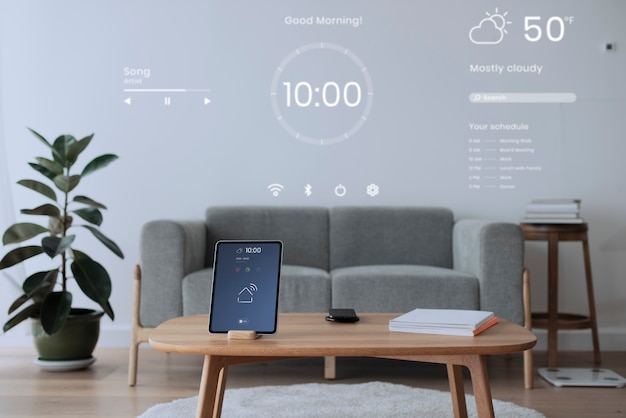
Smart homes aren’t about talking to your lights or asking a speaker to play music. That stuff gets old fast. Real value comes when devices reduce waste without you thinking about it.
Read Also: Mobile Accessories Gadgets You’ll Actually Use
The best smart home devices that boost vitality effectiveness do one basic thing well: they halt vitality from being utilized when it doesn’t require to be. Below is an legitimate breakdown based on individual utilize, perceptions, and what I’ve seen work reliably in genuine homes.
Smart Thermostats: The Biggest Affect for Most Homes
If you purchase as it were one shrewd device for energy investment funds, begin here. A smart thermostat learns your routine. It knows when you’re home. It knows when you’re not.
I installed one a few years ago and didn’t change my lifestyle at all. That’s the key. It adjusted heating and cooling automatically. The result? Lower bills without discomfort. What makes smart thermostats effective:
-
Automatic scheduling
-
Learning patterns over time
-
Remote control when plans change
-
Energy usage reports
You stop heating empty rooms. You stop cooling the house at full blast when nobody’s home.
That alone saves more than most people expect.
Smart Plugs: Small Devices, Surprisingly Useful
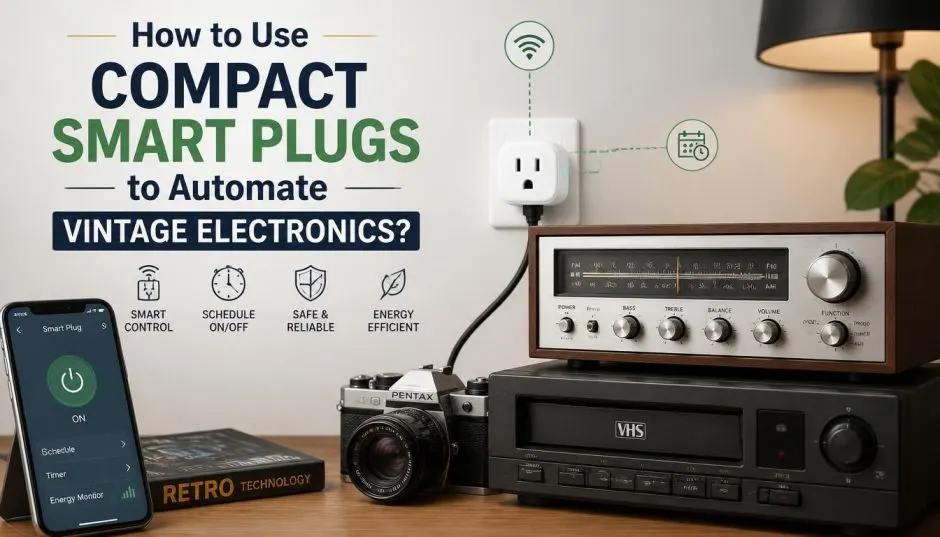
Smart plugs don’t look impressive. That’s why people underestimate them. They shine when it comes to “silent energy drains.” Think about:
-
TVs on standby
-
Coffee machines plugged in all day
-
Chargers left connected
-
Old appliances that never fully turn off
I plugged my entertainment system into a smart plug and scheduled it to shut off completely overnight.
The difference wasn’t dramatic overnight, but over months? It added up. Smart plugs are one of the easiest entries into smart gadgets for home and kitchen that actually pay off.
Smart Lighting: Not Just About Convenience
Smart lights get dismissed as novelty items. I used to think the same. Then I realized how often lights stayed on accidentally. Smart lighting systems help by:
You Must Also Like: Innovative Gadgets That Solve Everyday Problems
-
Turning off automatically when rooms are empty
-
Dimming instead of blasting full brightness
-
Following sunrise and sunset
-
Letting you check remotely
Movement sensors combined with lights are particularly successful in passages, lavatories, and kitchens. Once introduced, you disregard approximately them. That’s when they work best.
Smart Power Strips: The Upgrade People Skip
Most homes still use basic power strips from years ago. Smart power strips go further. They cut power to devices that don’t need it.
Example: Your TV turns off. The strip detects it. Everything connected shuts down too. Gaming consoles, sound systems, streaming devices — they all sip power even when idle.
Smart Kitchen Appliances: Where Efficiency Meets Habit?
Refrigerators. Ovens. Dishwashers. Coffee machines. Not every “smart” kitchen appliance saves energy. Some just add screens. The ones worth considering:
-
Smart refrigerators that optimize cooling cycles
-
Dishwashers with load sensing and eco modes
-
Smart ovens that preheat only when needed
-
Induction cooktops with precise power control
I taken note the greatest change when exchanging to machines that balanced vitality utilize based on stack estimate. That’s real efficiency, not gimmicks.
Smart Water Heaters: Often Overlooked, Highly Effective
Smart water heaters learn usage patterns. Morning showers. Evening cleaning. Weekend changes. They heat water when needed, not all day. After installing one, I noticed fewer long heating cycles and more targeted use.
If your household has predictable routines, this device can quietly cut a significant portion of energy waste.
Smart Window Solutions: Simple but Effective
Heating and cooling losses often come from windows. Smart blinds and shades help regulate indoor temperature by:
-
Closing during peak heat
-
Opening to use natural warmth
-
Adjusting based on sunlight
This isn’t high-tech wizardry. It’s automation of common sense.
Energy Monitoring Devices: Eye-Opening and Motivating
These devices don’t save energy directly. They show you where it’s being wasted. Plug-in monitors or whole-home systems reveal:
-
Which appliances consume the most power
-
Usage spikes you didn’t notice
-
Patterns tied to daily habits
I was stunned to see how much vitality a single obsolete machine was devouring. Once you see the data, behavior changes naturally.
Voice Assistants: Helpful, But Not Energy Savers Alone
Let’s be honest. Voice assistants don’t save energy on their own. They become useful when paired with automation:
-
Turning off everything with one command
-
Controlling thermostats remotely
-
Managing routines
They’re more of a control center than a solution.
If you already use smart devices, a voice assistant makes them easier to manage. That’s where the value lies.
List Some of the Gadgets and Devices Used at Home (That Actually Help)
Here’s a simple, realistic list based on function, not hype:
-
Smart thermostat
-
Smart plugs
-
Smart power strips
-
Motion-sensor lights
-
Smart LED bulbs
-
Smart dishwasher
-
Smart refrigerator
-
Smart water heater
-
Energy monitoring system
-
Smart blinds
You don’t need all of them. Start with what fits your habits.
Common Mistakes People Make When Buying Smart Devices
I’ve seen this mistake often. People buy devices first and think about usage later. Energy efficiency only improves when:
-
Devices match your daily routine
-
Automation replaces manual habits
-
You don’t have to “remember” to use them
If a device requires constant attention, it won’t save energy long-term. Simplicity beats complexity every time.
Are Smart Homes Worth It for Energy Savings?
Short answer: yes, if done right. Long answer: not every device pays off.
The best smart home devices that boost energy efficiency work quietly in the background. They adapt. They automate. They reduce waste without effort.
The ones that fail usually demand too much interaction or exist purely for novelty.
How to Choose the Right Smart Devices for Your Home?
Here’s the approach I recommend to friends:
-
Identify where energy is wasted most
-
Start with one or two high-impact devices
-
Avoid buying everything at once
-
Track changes for a few months
-
Expand only if it makes sense
Smart homes should feel invisible, not overwhelming.
My Honest Take After Years of Using Smart Devices
The best smart devices don’t feel smart. They feel normal. Your house stays comfortable. Bills go down. Lights turn off when they should. Heating runs only when needed. That’s the goal.
Energy efficiency isn’t about futuristic homes. It’s about reducing waste without sacrificing comfort. If you want, I can:
-
Recommend devices based on apartment vs house
-
Compare budget vs premium options
-
Help prioritize gadgets by ROI
Just tell me how you live, and I’ll tailor it.